

Science confirms the value of shared leisure experiences
Since its creation, PortAventura Dreams Village has offered hundreds of families the opportunity to enjoy a few days of relaxation, fun and togetherness, away from their usual routines.
But what impact can this experience have on their emotional wellbeing?
To explore this question, the PortAventura Foundation has supported a scientific study led by Vall d’Hebron University Hospital, in collaboration with Sant Joan de Déu Hospital in Barcelona and Niño Jesús Children’s University Hospital in Madrid
Relevant research findings
The study involved 105 children and adolescents aged between 4 and 17, living with severe chronic illnesses or autism spectrum disorder (ASD), together with their primary caregivers.

- A statistically significant reduction in anxiety among children and adolescents.
- A significant decrease in anxiety levels among their caregivers.
- A significant reduction in the burden associated with caregiving.
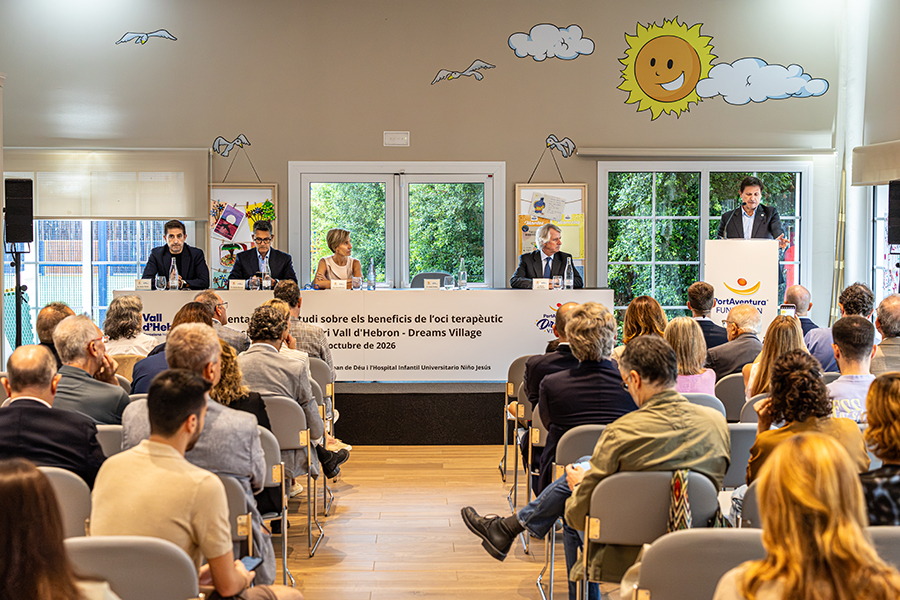
A step forward in social innovation
This research contributes scientific evidence to an area that has received limited attention to date: the role of shared leisure experiences in the emotional wellbeing of families living with serious illness.
One of the study’s most notable aspects is that these results were observed following a six-day family recreational experience, without a structured therapeutic programme or additional healthcare professional intervention.
The research broadens our understanding of these families’ overall wellbeing and highlights shared leisure as a valuable complement to medical and psychological support.
Science, commitment and wellbeing
For the PortAventura Foundation, this publication marks an important milestone and reinforces our commitment to improving the quality of life of children and adolescents in vulnerable situations and their families.
At Dreams Village, we believe in the power of sharing emotions and creating lasting memories. Today, we also have scientific evidence that helps demonstrate the value of these experiences.
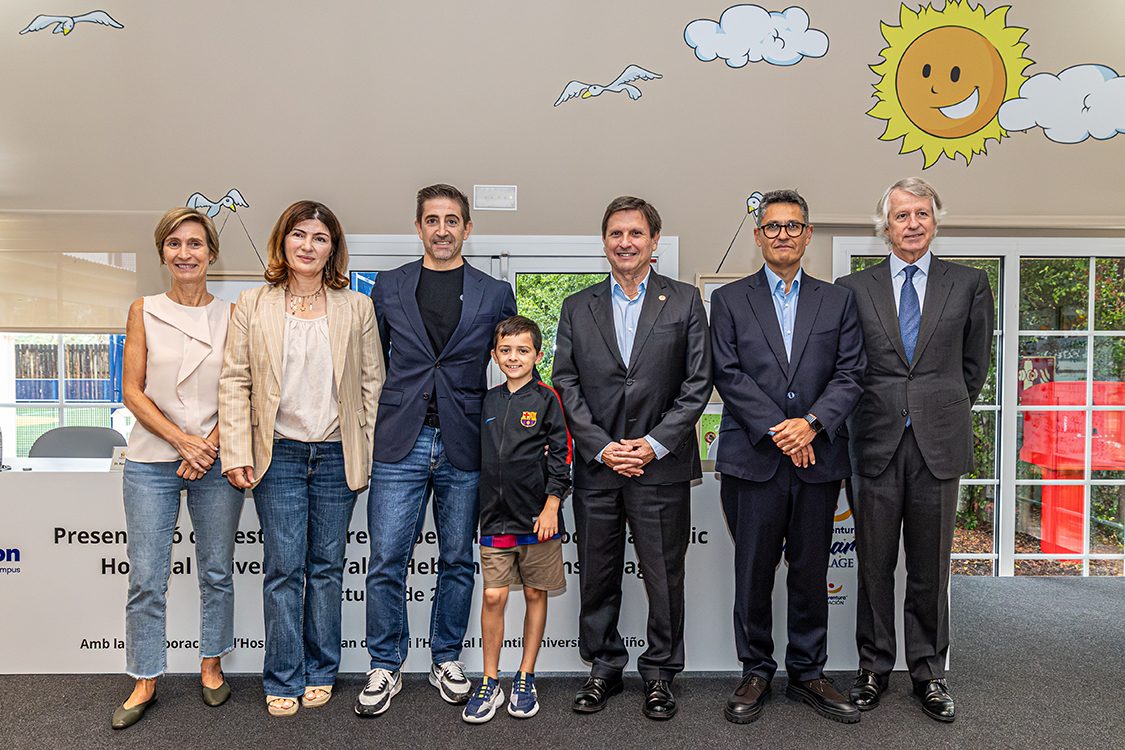
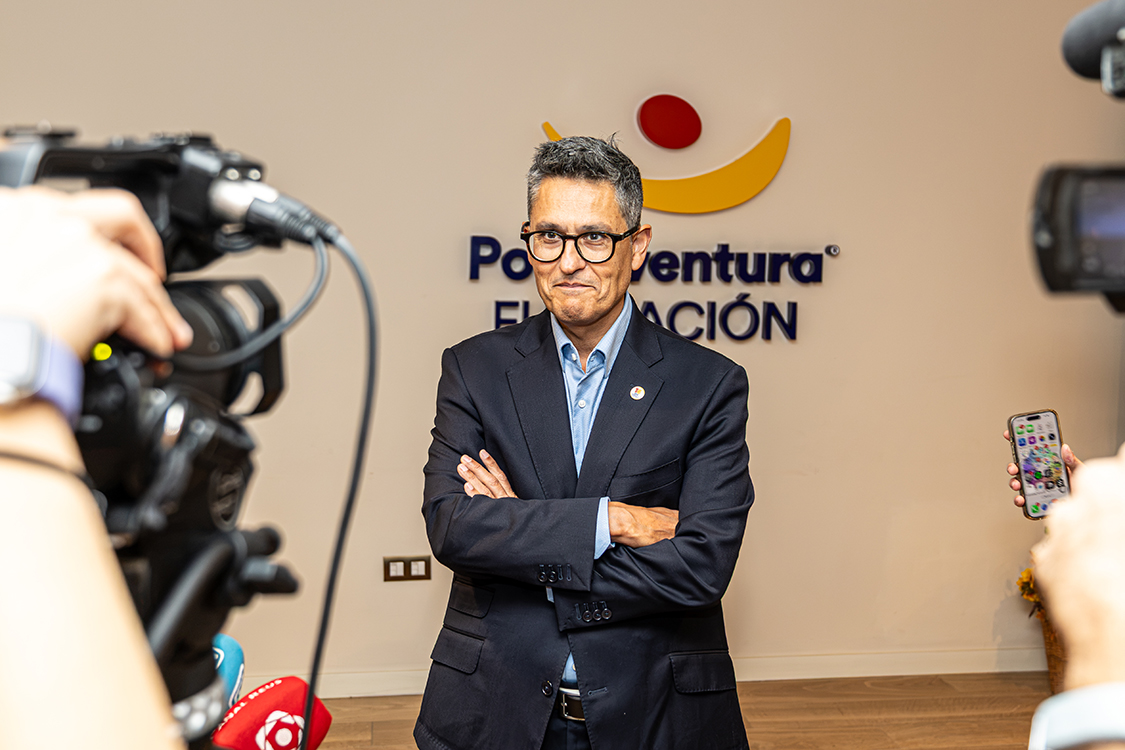
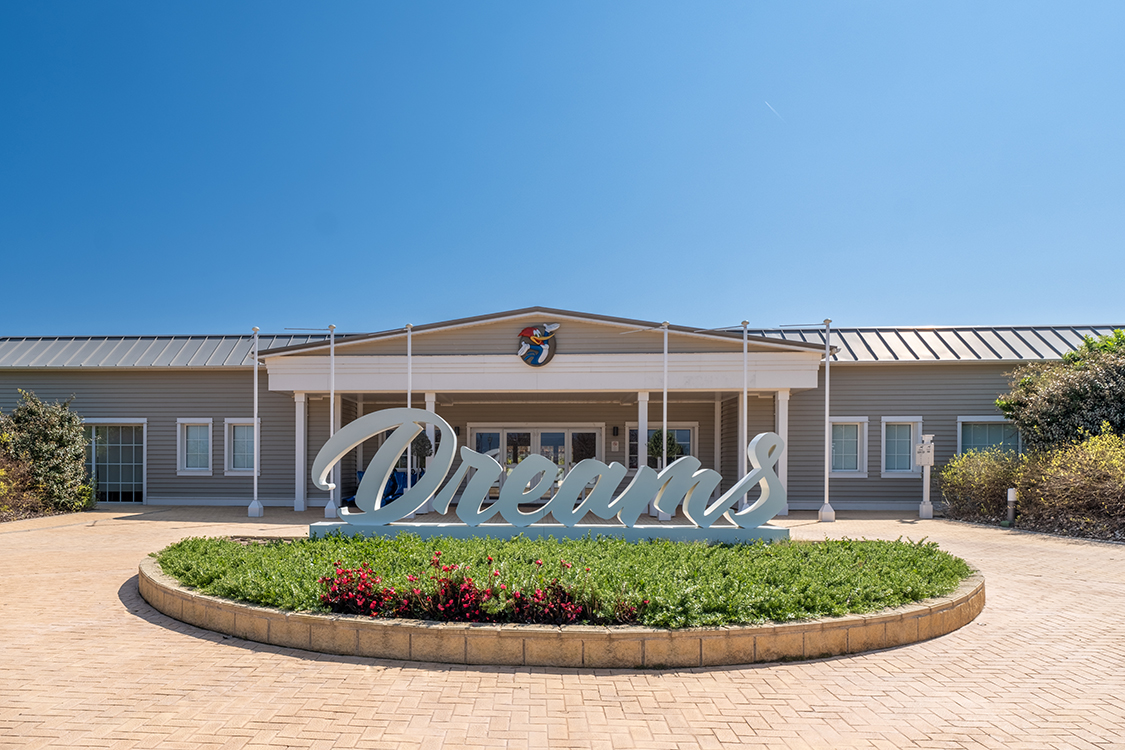
The article was published in 2026 in the Revista de Psiquiatría Infanto-Juvenil, the official journal of the Spanish Association of Child and Adolescent Psychiatry (AEPNYA).